Inside the Courtroom: My Firsthand Coverage of the MO3 Murder Case and Yella Beezy Trial

By Ivory | Founder & Host, Her Mind, Her Safety with Ivory
November 7, 2026 | Dallas, Texas
Courtroom Journalism | Criminal Justice | High-Profile Trials
Beyond the Headlines: A Dallas Case That Captured National Attention
On November 11, 2020, Dallas rapper Melvin Noble Jr., professionally known as MO3, was tragically killed in a shooting on Interstate 35E in Dallas, Texas. His death sent shockwaves through the Dallas music community and sparked years of public discussion, speculation, and demands for answers.
Nearly six years later, the criminal proceedings surrounding his death continue to attract national attention.
As the founder and host of Her Mind, Her Safety with Ivory, I made the decision to take my reporting beyond online discussions and into the courtroom, where witnesses testify, attorneys present evidence, and jurors are tasked with determining what the facts establish.
This case has become an important part of my journey as an independent courtroom journalist.
The MO3 Murder Case: Understanding the Legal Proceedings
The investigation into MO3's death led to capital murder charges against multiple individuals, including Kewon White, Devin Brown, and Dallas rapper Markies Conway, professionally known as Yella Beezy.
Prosecutors allege that Conway participated in an arrangement to have MO3 killed in exchange for payment. Conway has pleaded not guilty and denied involvement in the killing.
On September 4, 2026, a Dallas County jury convicted Kewon White of capital murder in connection with MO3's death. He was sentenced to life in prison without the possibility of parole.
While White's conviction marked a significant development, the legal proceedings involving the other defendants have continued separately.
The criminal justice system requires that each defendant's guilt be determined according to the evidence presented against that individual. A conviction involving one defendant does not automatically establish another defendant's guilt.
My Experience Covering the Yella Beezy Trial
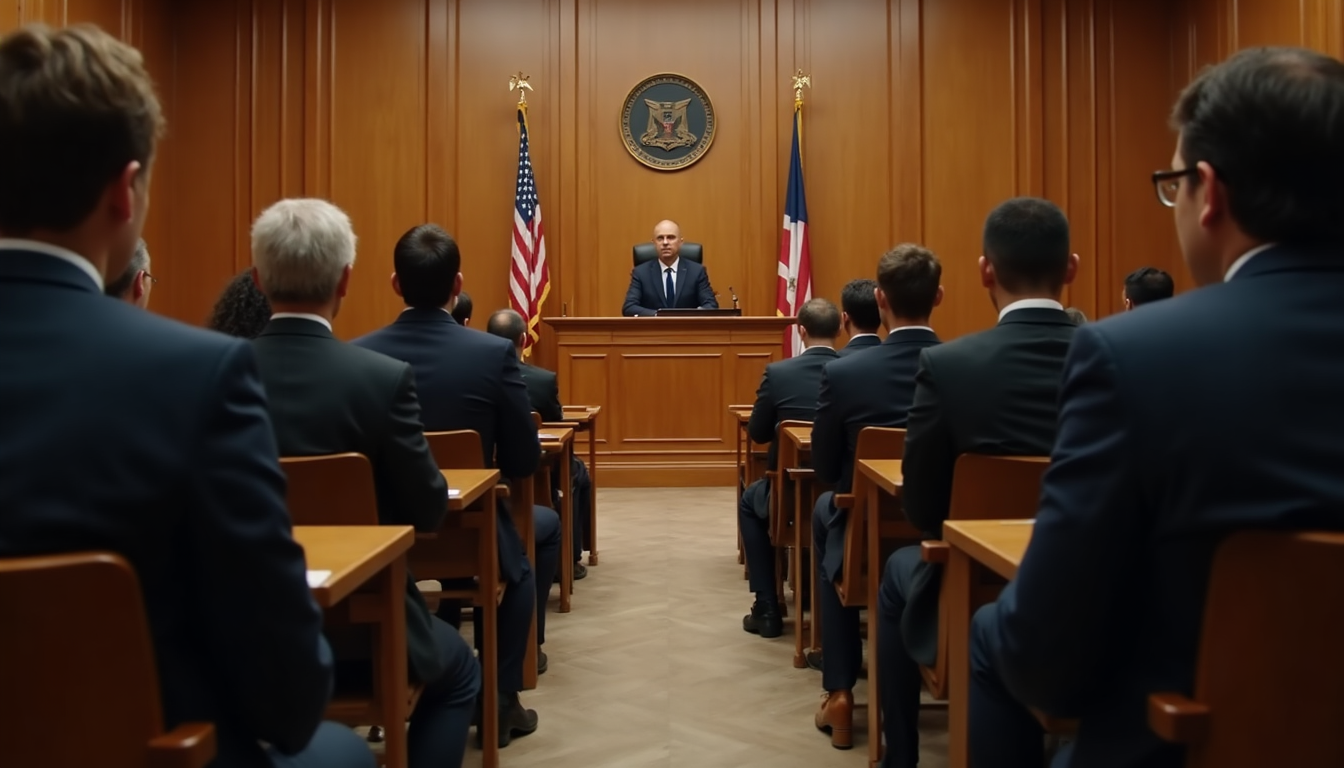
On October 26, 2026, jury selection began in the capital murder trial of Markies Conway at the Frank Crowley Courts Building in Dallas.
I attended courtroom proceedings to observe the legal process firsthand and provide detailed coverage for my audience.
Watching a trial unfold inside the courtroom offers a perspective that cannot always be captured through headlines, brief news segments, or social media commentary.
From jury selection to witness examinations, I observed how both the prosecution and defense developed their respective arguments.
Throughout my coverage, I have focused on documenting courtroom developments, identifying significant testimony, examining legal arguments, and helping viewers understand the procedures that shape a criminal trial.
My reporting has examined witness credibility, financial evidence, jail communications, and the legal significance of testimony presented before the court.
Witness Testimony, Financial Evidence, and Questions Raised in Court
Several developments during the trial have drawn particular attention.
One involved Theodore Thomas, also known as Jose Bodega, whose testimony and previous statements became subjects of dispute.
During an October 29 proceeding I attended, Thomas invoked his Fifth Amendment rights when questioned outside the jury's presence. His involvement raised questions about witness testimony, prior statements, and the legal protections available to individuals appearing before the court.
During the October 30 proceedings, testimony and evidence concerning currency serial numbers, financial transactions, and other investigative details became important areas of examination.
Jurors heard testimony involving a Federal Reserve official, hotel records, and evidence connected to a traffic stop involving Kewon White.
These proceedings demonstrated the complexity of presenting evidence in a capital murder trial.
The prosecution must establish the elements of the charged offense beyond a reasonable doubt, while defense attorneys have the opportunity to challenge the evidence, question witnesses, and present alternative interpretations.
As the trial progressed into November, additional testimony included disputed statements, cellphone evidence, and questions concerning the alleged financial arrangement.
The significance and credibility of that evidence remain matters for the jury to evaluate.
Why Firsthand Courtroom Reporting Matters
For me, covering this case is about more than discussing two prominent names in Dallas hip-hop.
It is about understanding how the criminal justice system operates when a case attracts substantial public attention.
My academic background includes a Bachelor of Science in Criminal Justice, a Master of Arts in Applied Psychology, and ongoing doctoral studies in education.
Those experiences influence how I approach courtroom observation, evidence, human behavior, and public communication.
However, responsible reporting also requires recognizing the distinction between an allegation, testimony, an attorney's argument, and a fact established through a legal finding.
As an independent journalist, my responsibility is not to determine guilt or innocence.
My responsibility is to observe, research, ask meaningful questions, explain legal processes, and report information accurately.
Remembering MO3 Beyond the Criminal Case
While criminal proceedings often focus public attention on defendants, witnesses, and legal arguments, it is essential to remember the individual whose death brought everyone into the courtroom.
MO3 was more than a name in a criminal indictment.
He was a recording artist whose music connected with audiences, a member of the Dallas community, and a person whose death profoundly affected those who knew and loved him.
His life and legacy deserve to be acknowledged independently of the legal proceedings.
That perspective remains important as the justice system continues addressing the circumstances surrounding his death.
Building Her Mind, Her Safety with Ivory Through Courtroom Journalism
My experience covering the MO3 case has reinforced my commitment to building Her Mind, Her Safety with Ivory into a respected independent media platform.
Through firsthand courtroom reporting, legal commentary, case research, and future exclusive interviews, I intend to continue examining stories that intersect criminal justice, entertainment, public safety, and the communities affected by these events.
My goal is to bring audiences closer to the legal process while maintaining respect for victims, defendants, families, and the fundamental principles of due process.
I want readers and viewers to leave my platform with a clearer understanding of what happened in court, what remains disputed, and why those distinctions matter.
As the Yella Beezy trial continues, I remain committed to following the proceedings and providing responsible updates as new developments emerge.
Follow My Courtroom Coverage
For continued coverage of the MO3 murder case, the Yella Beezy capital murder trial, and other high-profile criminal proceedings, follow Her Mind, Her Safety with Ivory on YouTube.
My platform features courtroom observations, trial breakdowns, legal explanations, and conversations about the criminal justice system.
Media Inquiries and Interview Requests: hermindhersafety@gmail.com
YouTube: Her Mind, Her Safety With Ivory
Her Mind, Her Safety with Ivory Because There's Always More Than a Headline.
Editorial Note: This article reflects developments reported through November 6, 2026. Markies Conway is presumed innocent unless and until proven guilty in a court of law. Trial testimony and allegations should not be interpreted as established findings of guilt.
Comments